Posts

Lemons: nutrition facts and benefits

Image
Lemons are full of vitamins, minerals, phytonutrients and antioxidants. They are especially good sources of vitamin C and folate. Origin of lemons Lemons are one of the most popular acid citrus fruits, according to the Purdue University Horticultural Department. Their origin is unknown, though some horticulturists theorize they come from Northern India. Lemons grow throughout southern Europe, the Middle East, and into East Asia. They were brought to the New World by Christopher Columbus in 1493. Today, the leading lemon producers are California, Arizona, Italy, Spain, Greece, Turkey, Cyprus, Lebanon, South Africa and Australia. Lemons are available throughout the year but summer is their peak season. Lemons are an extremely versatile fruit. You can eat them in slices, sip healthy lemon water, make lemonade, garnish food with them, candy their peels, and use their juice and peels in cooking and more. Nutrient profile Nutritional composition "Lemons are high in vitamin ...

Pineapple: health benefits and Risks

Image
What are pineapples? Pineapples are tropical fruit that are rich in vitamins, enzymes and antioxidents. They may help boost the immune system, build strong bones and aid indigestion. Also, despite their sweetness, pineapples are low in calories. pineapple plant Pineapples are members of the bromeliad family, and one of the few bromeliads to produce edible fruit, according to the biology department at Union County College. The fruit is actually made of many individual berries that fuse together around a central core. Each pineapple scale is an individual berry. Pineapples’ nutritional benefits are as fascinating as their anatomy. “Pineapples contain high amounts of vitamin C and manganese,” said San Diego-based nutritionist Laura Flores. These tropical treats are also a good way to get important dietary fiber and bromelain (an enzyme). “As well as having high amounts of manganese, which is important for antioxidant defenses, pineapples also contain high amounts of thiamin, ...

Amazing health benefits of paw paw(papaya)

Image
The papaya mainly known as paw-paw is an incredibly healthy tropical fruit. It's loaded with antioxidants that can reduce inflammation, fight disease and help keep you looking young. Here are 8 health benefits of paw paw (papaya). 1. Delicious and Loaded With Nutrients Papaya is the fruit of the Carica papaya plant. It originated in Central America and Southern Mexico but is now grown in many other parts of the world. Papaya contains an enzyme called papain, which can break down the tough protein chains found in muscle meat. Because of this, people have used papaya to tenderize meat for thousands of years. If the papaya is ripe, it can be eaten raw. However, unripe papaya should always be cooked before eating — especially during pregnancy, as the unripe fruit is high in latex, which can stimulate contractions (1). Papayas are shaped similar to pears and can be up to 20 inches (51 cm) long. The skin is green when unripe and orange when ripe, while the flesh is ...

8 health benefits of banana

Image
Bananas are extremely healthy and delicious. They contain several essential nutrients and provide benefits for digestion, heart health and weight loss. Aside from being very nutritious, they are also a highly convenient snack food. Here are 8 science-based health benefits of bananas. 1. Bananas Contain Many Important Nutrients Bananas are among the world’s most popular fruits. Native to Southeast Asia, they are now grown in many warm parts of the world. Bananas vary in color, size and shape. The most common type is the Cavendish, which is a type of dessert banana. Green when unripe, it yellows as it matures. Bananas contain a fair amount of fiber, as well as several antioxidants. One medium-sized banana (118 grams) also boasts (1, 2, 3): Potassium: 9% of the RDI Vitamin B6: 33% of the RDI Vitamin C: 11% of the RDI Magnesium: 8% of the RDI Copper: 10% of the RDI Manganese: 14% of the RDI Net carbs: 24 grams Fiber: 3.1 grams Protein: 1.3 grams Fat: 0.4 gr...

How to take care of your liver

Image
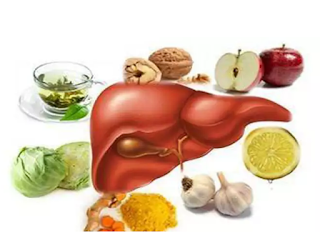
The best way to fight liver disease is to avoid it, if at all possible. As we observe Liver Awareness Month in 2013, here are ways to achieve liver wellness. Appropriately, that’s one useful tip for each year of the new century! Maintain a healthy weight.  If you’re obese or even somewhat overweight, you’re in danger of having a fatty liver that can lead to non-alcoholic fatty liver disease (NAFLD), one of the fastest growing forms of liver disease. Weight loss can play an important part in helping to reduce liver fat. Eat a balanced diet. Avoid high calorie-meals, saturated fat, refined carbohydrates (such as white bread, white rice and regular pasta) and sugars. Don’t eat raw or undercooked shellfish. For a well-adjusted diet, eat fiber, which you can obtain from fresh fruits, vegetables, whole grain breads, rice and cereals. Also eat meat (but limit the amount of red meat), dairy (low-fat milk and small amounts of cheese) and fats (the “good” fats that are monounsaturat...

10 foods that naturally boosts sexual performance

Image
Sex remains a major factor in staying satisfied and happy in any relationship. When it comes to satisfying your partner sexually, you definitely need to consider lasting for a longer period of time so you do not leave them disappointed and searching elsewhere for that satisfaction they were deprived of. Did you know that many marriage and relationship failures are as a result of one partner being unable to satisfy their significant other? Did you also know that based on a study made by the Journal of Sexual Medicine, the average time couples spend pleasuring each other on the sheets ranges from 3 to 13 minutes? Unfortunately, various studies have proven that most women want “sex time” with their spouse or lover to last between 15 to 25 minutes, as opposed to the general believe of it lasting for hours. Regardless of these facts, it wouldn’t be a bad thing if one could last a bit longer. However, you’ll find that most people go about this method the wrong way by taking concoctions ...

How to keep your heart healthy to live longer.

Image
The heart is a very vital homeostatic organ of the body in which other parts of the body depends on to function, so I've listed these ten ways to keep your heart healthy 1. Schedule a Yearly Checkup Your heart is in your hands. Each year on your birthday, schedule a checkup to have your blood pressure, cholesterol and glucose levels checked, and ask your doctor to help you reach or maintain a healthy weight. Be sure to follow your healthcare professional's recommendations, including taking prescribed medications as directed. 2. Get Physical Step, march or jog in place for at least 15 minutes a day while watching your favorite TV shows. Increase your activity by five minutes each week until you're getting a minimum of 30 minutes most days of the week. If exercise and diet do not get you to your goal, ask your doctor about adding medication. Keep your numbers in check: Get Physical water pitcher3. Drink More Water Take a water bottle with you wherever you g...